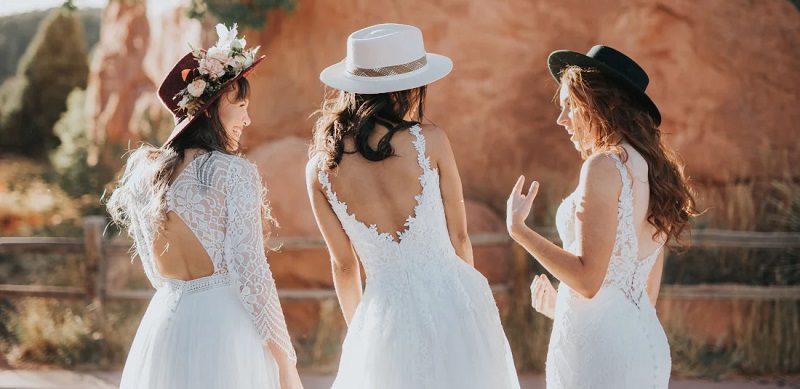
Wedding dresses have been an essential part of weddings for centuries. As time goes by, the style and design of wedding dresses have changed dramatically, reflecting the changes in society, culture, and fashion trends. In this article, we will explore the evolution of wedding dresses from traditional to modern style.
Traditional wedding dresses
Traditional wedding dresses vary widely across different cultures and regions. In Western culture, the white wedding dress became popular after Queen Victoria wore one to her wedding in 1840. Before that, brides would wear dresses in different colors, such as red, blue, or green, depending on the region and the culture. In some cultures, the wedding dress is a symbol of the family’s wealth and social status, and the dress is often adorned with intricate details and embroidery.
Mid-century wedding dresses
In the mid-20th century, wedding dresses started to become more standardized and less traditional. The classic A-line silhouette became popular, with a fitted bodice and a flared skirt. The dresses were often made of satin or taffeta, and the length varied from tea length to full-length. Sleeves were also common during this time, with styles ranging from cap sleeves to long sleeves.
Modern wedding dresses
In the late 20th century and early 21st century, wedding dresses became more diverse and individualized. Designers started to experiment with different styles, colors, and materials, creating dresses that were more reflective of the bride’s personality and style. The traditional white dress was no longer the only option, and brides started to wear dresses in different colors, such as blush, champagne, or even black. The silhouettes also became more varied, with dresses ranging from ballgowns to sheath dresses.
Sustainable wedding dresses
In recent years, sustainable wedding dresses have become more popular. Many brides are opting for dresses made from eco-friendly materials, such as organic cotton, hemp, or bamboo. Designers are also using recycled materials or vintage fabrics to create unique and sustainable dresses. These dresses not only look beautiful but also promote a more environmentally conscious wedding.
Wedding dresses are an important part of the bridal industry, which generates billions of dollars worldwide. Many brides spend months searching for the perfect dress and are willing to invest a significant amount of money to find the one that makes them feel beautiful and confident on their special day.
In addition to the style and design of the dress, brides also consider the fit, comfort, and practicality of the dress. They need to be able to move around comfortably and dance at the reception, without feeling constrained or uncomfortable. Many designers now incorporate features such as pockets, detachable trains, and convertible dresses that can be worn in different styles to provide a more versatile and comfortable option for brides.
Another trend in the wedding dress industry is the rise of custom-made dresses. Many brides want a dress that is unique and tailored to their specific body shape and style. They work with designers to create a dress that is truly one-of-a-kind and reflects their personality and taste.
There is also a growing trend of brides choosing to wear non-traditional dresses, such as pantsuits or jumpsuits, for their wedding. These dresses offer a more modern and edgy look, and are ideal for brides who want to break away from tradition and make a fashion statement on their wedding day.
Finally, the COVID-19 pandemic has also had an impact on the wedding dress industry. Many brides have had to postpone their weddings or scale down their plans due to restrictions on gatherings and travel. As a result, there has been a rise in smaller, more intimate weddings, and brides are opting for simpler, more affordable dresses that are still beautiful and elegant.
In conclusion, wedding dresses have come a long way from their traditional roots, and the industry continues to evolve and adapt to changing trends and social norms. Whether it’s a classic white dress or a modern jumpsuit, the wedding dress is a symbol of love, beauty, and celebration, and will continue to hold a special place in weddings for many years to come. The evolution of wedding dresses reflects the changes in society, culture, and fashion trends. From traditional to modern styles, wedding dresses have evolved to become more diverse and individualized. Whether it’s a classic white dress or a sustainable dress made from eco-friendly materials, the wedding dress will continue to be an essential part of weddings for many years to come.